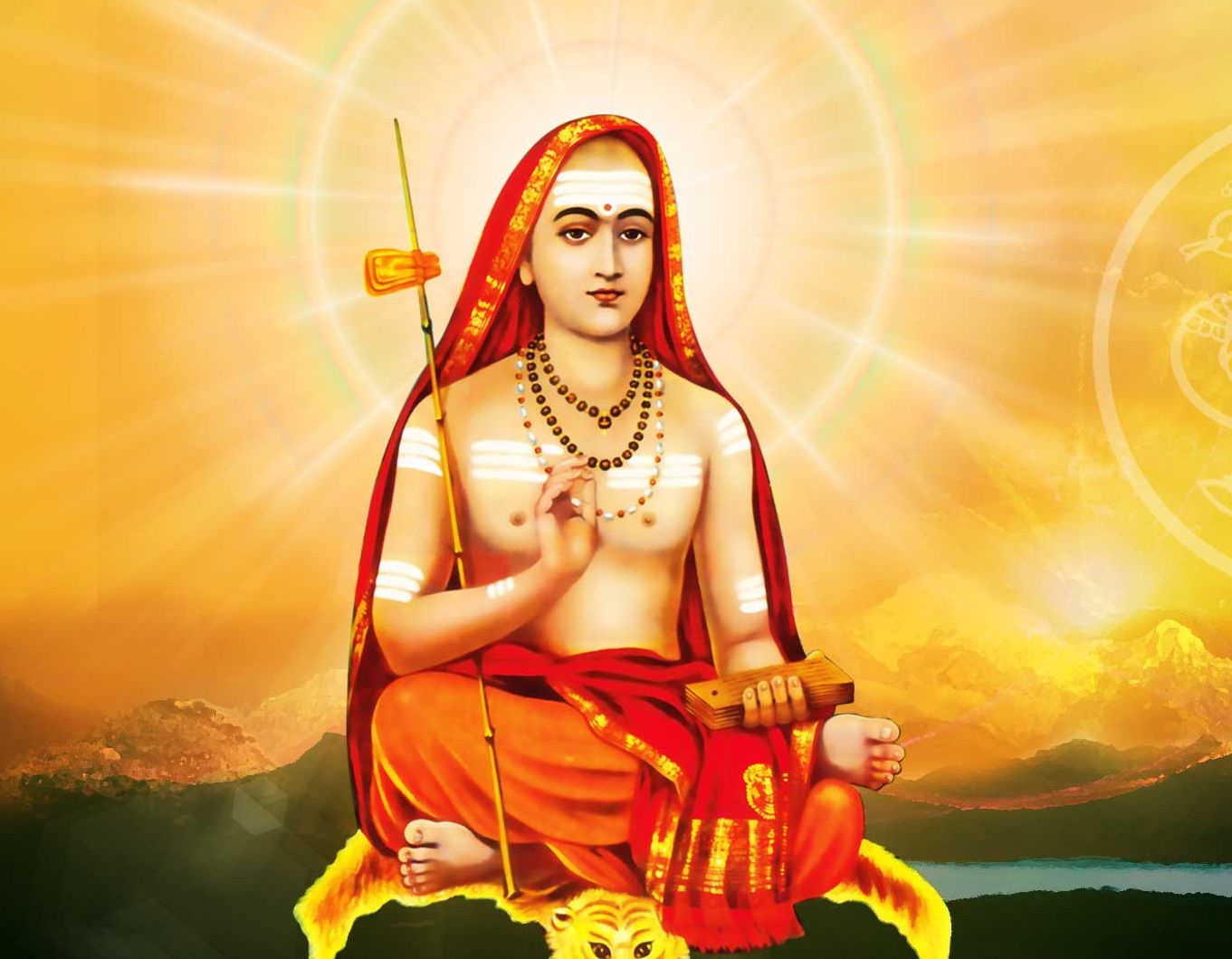
Illuminating the Veil of Illusion
In the profound words of Adi Shankara, "Yet Maya yields before knowledge as darkness yields before light," we encounter a vivid metaphor that encapsulates the transformative power of knowledge in the face of illusion. This statement invites us to reflect on the nature of reality and the obstacles that cloud our understanding. The stakes are high; recognizing the interplay between knowledge and illusion is essential for spiritual awakening and personal growth. Without this awareness, we remain ensnared in the shadows of ignorance, unable to perceive the true essence of our existence.
Shankara's assertion serves as a reminder that knowledge is not merely an accumulation of facts but a profound illumination that dispels the darkness of Maya, the illusion that obscures our perception of reality. This illumination is not just intellectual; it is experiential, requiring us to engage deeply with our inner selves and the world around us. As we delve into this quote, we will explore the imagery it evokes, its roots in Vedantic philosophy, and its relevance in our contemporary lives, ultimately seeking to understand how we can embody this teaching in our daily experiences.
The image / the metaphor
The imagery in Shankara's quote is striking and evocative. The juxtaposition of "Maya" and "knowledge" creates a dynamic tension between illusion and enlightenment. Darkness, a symbol of ignorance and confusion, is contrasted with light, representing clarity and understanding. The verbs "yields" and "before" suggest a powerful, almost inevitable transition; as light enters a dark room, the shadows recede, revealing the space in its true form. This metaphor invites us to consider how knowledge acts as a guiding force, illuminating our path and dispelling the fears and uncertainties that often accompany our journey through life.
Diving deeper into this metaphor, we can see that the act of yielding implies a surrendering of the false to the true. Just as darkness cannot withstand the presence of light, so too does ignorance dissipate in the face of genuine understanding. This dynamic interplay suggests that knowledge is not merely an external acquisition but an internal transformation. It is a process of awakening, where the layers of illusion are peeled away, allowing us to perceive the world and ourselves with greater clarity and authenticity. In this light, knowledge becomes a sacred tool, one that empowers us to navigate the complexities of existence with wisdom and grace.
In the speaker's tradition
Adi Shankara's teachings are deeply rooted in the Vedantic tradition, which emphasizes the distinction between the eternal and the ephemeral. Central to this philosophy is the concept of "Brahman," the ultimate reality, which is often obscured by "Maya," the illusion of the material world. In this context, knowledge, or "jnana," serves as the means to pierce through the veil of illusion, revealing the underlying unity of all existence. This pursuit of knowledge is not merely intellectual; it is a spiritual quest that aligns with the principles of dharma, the moral order that governs our lives, and prajna, the wisdom that arises from direct experience.
In the "Vivekachudamani," Shankara articulates the necessity of discernment, or "viveka," as a precursor to knowledge. He emphasizes that true knowledge is not simply about understanding concepts but involves a profound realization of the self's nature as non-dual and eternal. This aligns with the Buddhist concept of "sunyata," or emptiness, which also points to the illusory nature of phenomena. Both traditions invite us to transcend the dualities of existence and recognize the interconnectedness of all beings, urging us to cultivate a deeper understanding of our place within the cosmos.
Living the teaching
Consider a modern scenario where this teaching resonates: a person grappling with self-doubt and fear of failure. In such moments, the shadows of Maya can loom large, distorting one's perception of reality and potential. However, when this individual seeks knowledge—whether through self-reflection, mentorship, or study—they begin to illuminate the path forward. As they gain insights into their strengths and capabilities, the darkness of self-doubt begins to recede, revealing a clearer vision of their true self and purpose. This process exemplifies how knowledge can transform our understanding and empower us to step into our authenticity.
Another application of this teaching can be found in interpersonal relationships. Imagine a conflict arising from misunderstandings or assumptions. In the heat of the moment, it is easy to become entrenched in one's perspective, allowing the darkness of anger and resentment to cloud judgment. However, by seeking knowledge—through open communication, empathy, and a willingness to understand the other person's viewpoint—individuals can dispel the shadows of misunderstanding. This act of yielding to knowledge fosters connection and healing, illustrating how the light of understanding can transform relationships and cultivate harmony.
A reflection
As we contemplate Shankara's profound insight, we are invited to ask ourselves: In what areas of my life do I find myself ensnared by the illusions of Maya, and how can I seek knowledge to illuminate my path? This question encourages us to engage in a process of introspection, examining the beliefs and assumptions that may be limiting our growth. By embracing the transformative power of knowledge, we can begin to navigate the complexities of our existence with greater clarity and purpose, ultimately moving toward a deeper understanding of ourselves and the world around us.





Join the BrightStar Community
Stay connected with daily inspiration, event announcements, and community wisdom