The Breath of Liberation: A Journey Beyond Desire
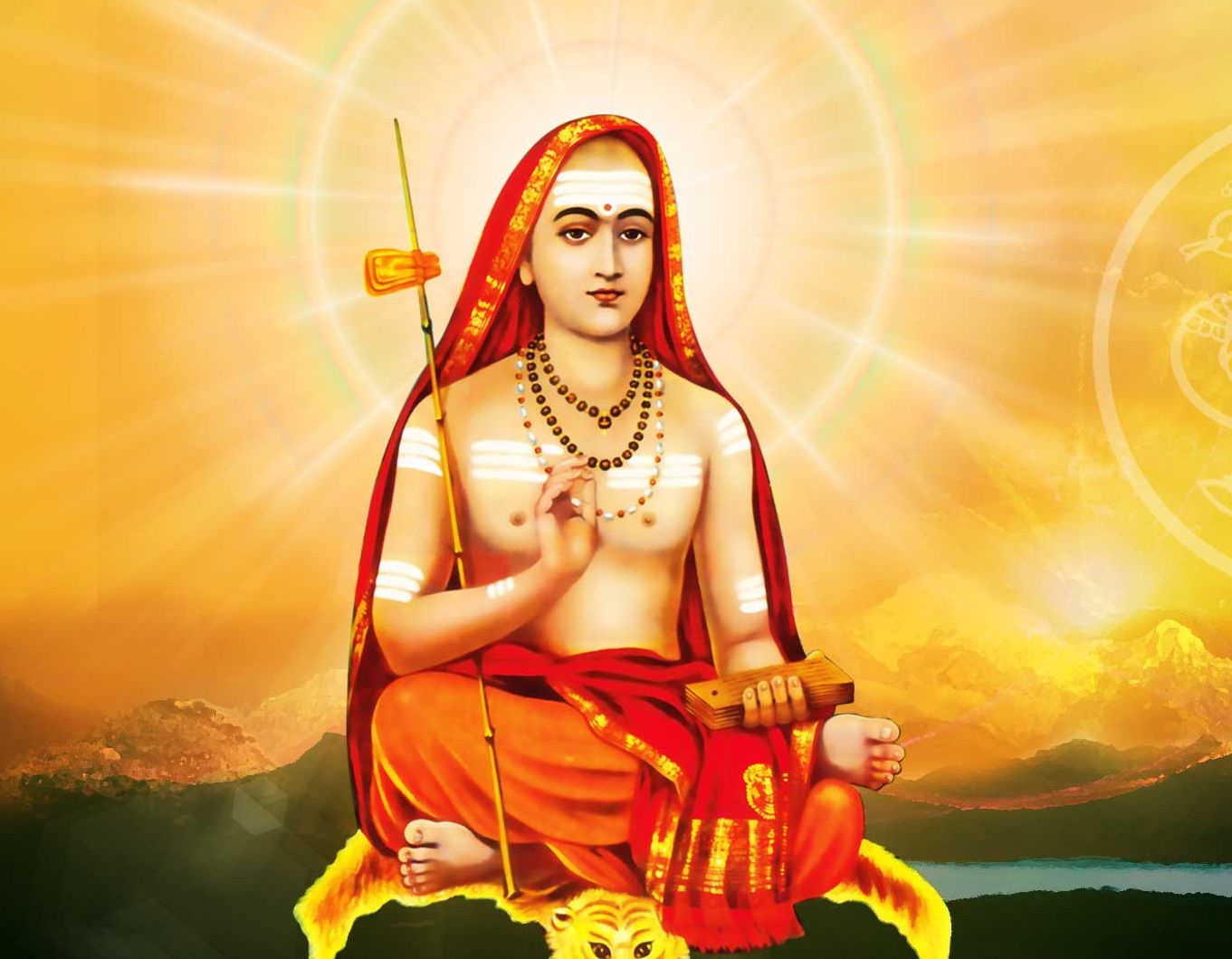
Adi Shankara's assertion that "Without the desire for liberation, all other practices are like a body without life" invites us to reflect on the essence of our spiritual pursuits. In this statement, he emphasizes that the yearning for liberation is not merely an accessory to our spiritual practices but rather the very lifeblood that animates them. Without this deep-seated longing, our efforts may become mechanical, devoid of the vitality that true spiritual awakening demands. This perspective challenges us to examine our motivations and the authenticity of our spiritual journeys.
In a world often preoccupied with external achievements and transient pleasures, Shankara's words serve as a poignant reminder of the deeper purpose behind our practices. The desire for liberation, or moksha, is not simply a goal to be achieved but a profound inner calling that shapes our entire existence. It is this longing that propels us toward self-inquiry and realization, urging us to transcend the limitations of the ego and the illusions of the material world. Thus, understanding this desire becomes crucial for anyone seeking genuine spiritual growth.
The image / the metaphor
At the heart of Shankara's quote lies a vivid metaphor: the comparison of spiritual practices to a lifeless body. This imagery evokes a sense of stagnation and futility, suggesting that without the animating force of liberation, our spiritual efforts lack purpose and vitality. The verbs "desire" and "liberation" are particularly significant; they imply an active engagement with our inner selves, a passionate pursuit that breathes life into our practices. The body, in this metaphor, represents our spiritual endeavors, which, while potentially rich in form and structure, can become hollow without the essence of longing.
Diving deeper into this metaphor, we can see that the body, while capable of movement, requires the spirit to truly thrive. Similarly, our spiritual practices—be they meditation, prayer, or study—need the desire for liberation to transform them from mere rituals into profound experiences of awakening. This longing acts as a catalyst, igniting our inner fire and guiding us toward the realization of our true nature. Without it, we risk becoming like a beautiful shell, devoid of the pearl of wisdom that lies within.
In the speaker's tradition
Adi Shankara's teachings are rooted in the Vedantic tradition, which emphasizes the importance of self-realization and the understanding of the ultimate reality, Brahman. Concepts such as dharma (righteous duty), prajna (wisdom), and bhakti (devotion) intertwine with the desire for liberation, creating a rich tapestry of spiritual inquiry. In this context, the longing for moksha is not merely personal but is also seen as a universal quest that connects all beings. The idea of kenosis, or self-emptying, resonates here, as it suggests that in our desire for liberation, we must also relinquish our attachments and ego-driven desires.
In the Vivekachudamani, Shankara articulates the necessity of discernment (viveka) in recognizing the transient nature of the world and the eternal essence of the self. This text serves as a guide for seekers, illustrating how the desire for liberation can lead to profound insights and transformative experiences. By cultivating this longing, we align ourselves with the teachings of the Upanishads, which emphasize the importance of realizing our oneness with the divine and the impermanence of worldly attachments.
Living the teaching
Consider a modern scenario where an individual embarks on a journey of meditation, perhaps motivated by the desire for stress relief or personal growth. While these are valid intentions, without a deeper yearning for liberation, the practice may become a mere routine, lacking the transformative power that comes from a genuine desire to awaken. The individual might find themselves going through the motions, yet feeling unfulfilled, as the essence of their practice remains unkindled. In this way, Shankara's teaching serves as a clarion call to infuse our practices with a deeper purpose, one that transcends the superficial.
In relationships, this teaching can manifest in the way we engage with others. For instance, if we approach our connections with a desire for liberation—seeking to understand ourselves and others more deeply—we cultivate a space for authentic communication and growth. This longing can transform conflicts into opportunities for healing and understanding, as we recognize that our relationships are not merely transactional but are avenues for spiritual evolution. By embodying the desire for liberation in our interactions, we breathe life into our connections, fostering a sense of unity and compassion.
A reflection
As we contemplate Shankara's profound insight, we are invited to ask ourselves: What is the true desire that fuels my spiritual practices? Are my efforts animated by a longing for liberation, or are they merely habitual actions devoid of deeper meaning? This question encourages us to reflect on the authenticity of our motivations and to seek a more profound connection with our spiritual path. In doing so, we may uncover the vibrant essence that lies at the heart of our journey, allowing our practices to flourish with life and purpose.





Join the BrightStar Community
Stay connected with daily inspiration, event announcements, and community wisdom