Discerning the Self: The Path of Wisdom
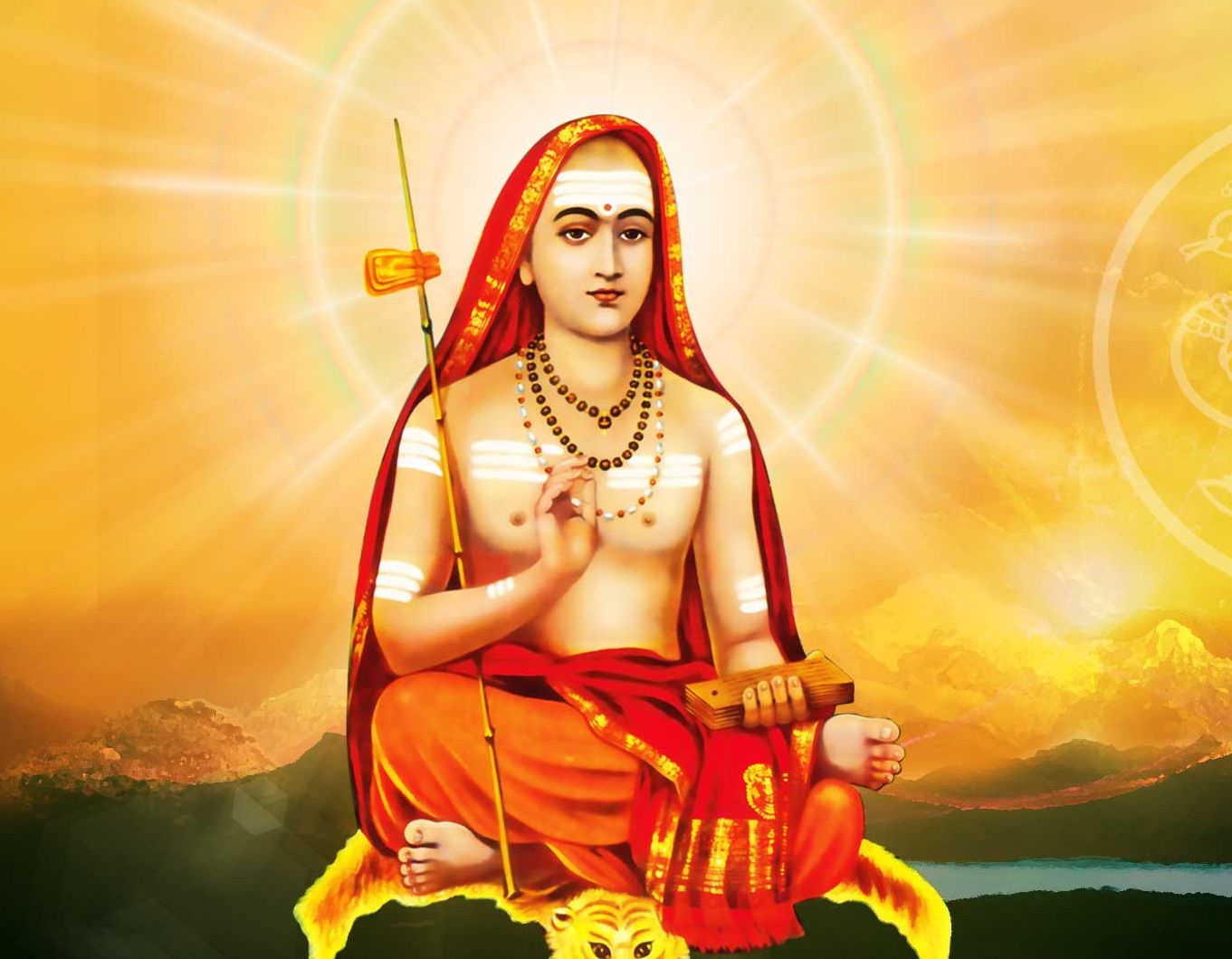
In the profound words of Adi Shankara, "Through the path of right discrimination, the wise come to discern the Self." This statement encapsulates a journey toward self-realization, emphasizing the importance of discernment in understanding our true nature. The stakes are high; without this discernment, we risk remaining ensnared in the illusions of the material world, disconnected from our essence. The wisdom of the ages beckons us to engage in this transformative process, inviting us to explore the depths of our being.
Shankara's assertion invites us to reflect on the nature of wisdom itself. It is not merely an accumulation of knowledge but a profound understanding that arises from the ability to distinguish between the transient and the eternal. This path of right discrimination is not a solitary endeavor; it requires a commitment to introspection and a willingness to confront the layers of conditioning that obscure our true selves. In this light, the journey becomes not just an intellectual pursuit but a deeply spiritual quest for authenticity and liberation.
The image / the metaphor
The imagery in Shankara's quote evokes a sense of clarity and purpose. The term "right discrimination" suggests a careful and thoughtful process, akin to a sculptor chiseling away at a block of marble to reveal the statue within. This metaphor illustrates the active role we play in our own awakening; it is not enough to passively receive knowledge. Instead, we must engage in a deliberate and discerning examination of our thoughts, beliefs, and experiences to uncover the essence of the Self that lies beneath the surface.
Diving deeper into this metaphor, we can see that the "wise" are not merely those who possess knowledge but those who embody wisdom through their actions and choices. The path of right discrimination requires a commitment to seeing beyond appearances, recognizing the interconnectedness of all beings, and understanding the impermanence of worldly attachments. This journey is both an art and a science, demanding both intuition and intellect as we navigate the complexities of existence.
In the speaker's tradition
Adi Shankara's teachings are deeply rooted in the Vedantic tradition, which emphasizes the importance of discernment (viveka) as a means to realize the ultimate truth of the Self (Atman). This concept of viveka is closely related to the idea of dharma, or righteous living, which guides individuals in aligning their actions with their true nature. In this context, right discrimination becomes a moral imperative, as it allows us to navigate the ethical dilemmas of life while remaining anchored in our spiritual essence.
Furthermore, Shankara's insights resonate with the notion of prajna, or wisdom, which is central to many spiritual traditions. In the Upanishads, the quest for self-knowledge is often depicted as a journey through darkness into light, where the discerning mind illuminates the path toward liberation. This transformative process is echoed in the teachings of other spiritual luminaries, such as the Buddhist concept of sunyata, or emptiness, which invites practitioners to see beyond the illusions of the self and recognize the interconnectedness of all phenomena.
Living the teaching
Consider a modern scenario where the teaching of right discrimination can be applied: a professional facing a moral dilemma at work. The pressure to conform to unethical practices may cloud judgment, leading to a disconnection from one's values. By engaging in right discrimination, the individual can pause, reflect, and discern the implications of their choices, ultimately aligning their actions with their deeper sense of integrity and purpose. This practice not only fosters personal growth but also contributes to a more ethical workplace culture.
In the realm of relationships, the teaching of discernment can be equally transformative. Imagine a situation where misunderstandings arise between partners. Instead of reacting impulsively, one can practice right discrimination by taking a step back to reflect on the underlying motivations and emotions at play. This mindful approach allows for deeper communication and understanding, paving the way for healing and connection. In both scenarios, the path of right discrimination serves as a guiding light, illuminating the way toward authentic engagement with oneself and others.
A reflection
As we contemplate Shankara's profound words, we are invited to ask ourselves: What layers of conditioning must I discern and release in order to fully recognize my true Self? This question encourages a deep exploration of our beliefs, habits, and attachments, prompting us to engage in the ongoing journey of self-discovery. In this process, we may find that the path of right discrimination not only leads us to greater clarity but also fosters a profound sense of connection with the world around us.





Join the BrightStar Community
Stay connected with daily inspiration, event announcements, and community wisdom