The Radiance of the Self: Illuminating Our Inner Experience
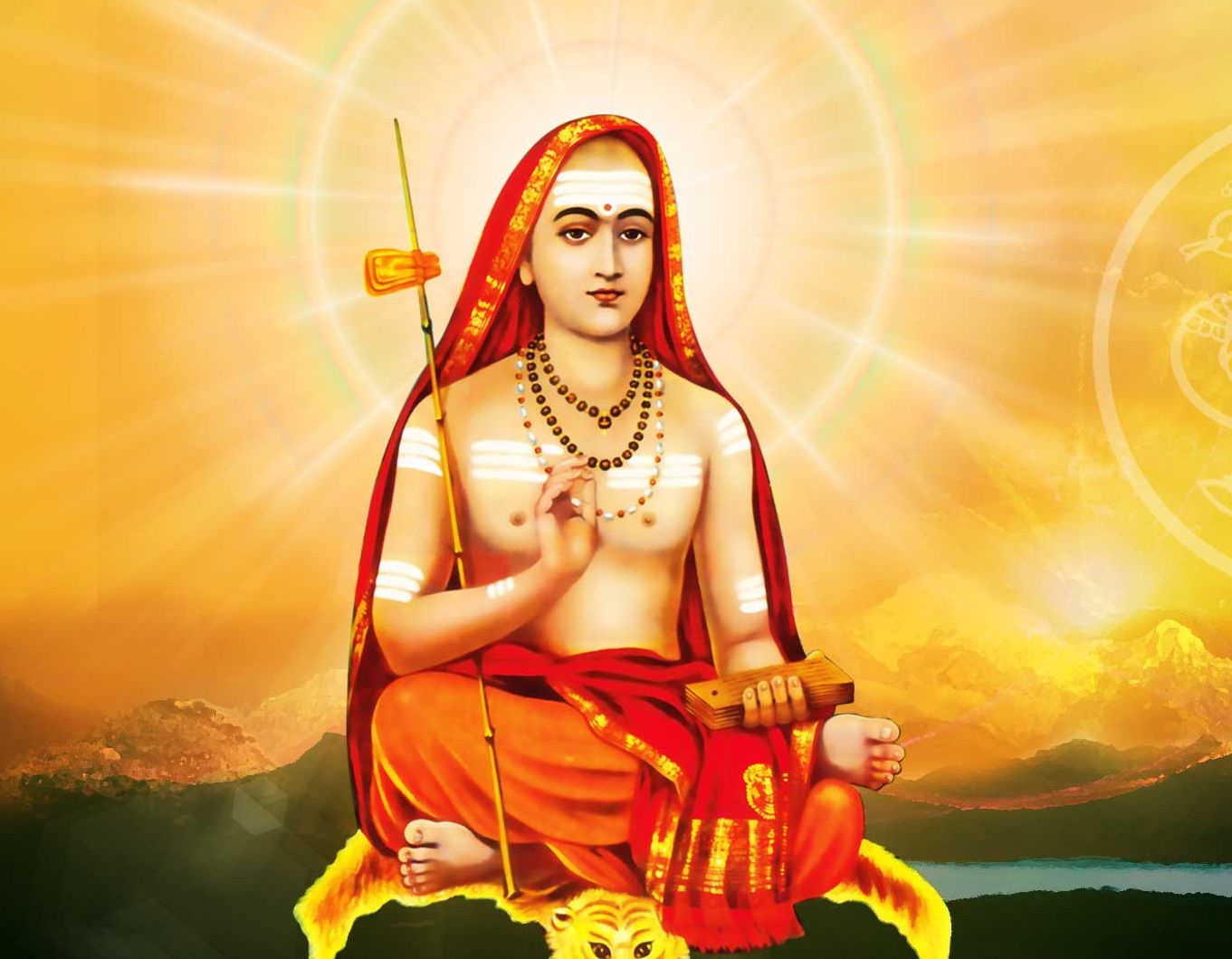
In the profound words of Adi Shankara, "The Self shines with its own light. Witness this in your direct experience." This statement invites us to explore the intrinsic luminosity of our true nature, suggesting that the essence of who we are is not dependent on external validation or illumination. Recognizing this inner light is not merely an intellectual exercise; it is a transformative experience that can lead to deeper self-awareness and spiritual awakening. The stakes are high, as this realization can liberate us from the shadows of ignorance and suffering.
To witness the Self shining with its own light is to engage in a direct experience that transcends the limitations of the mind and senses. It calls us to turn inward, to peel away the layers of conditioning and societal expectations that obscure our true essence. This journey is not one of mere observation; it is an active participation in the unfolding of our spiritual identity. In a world often dominated by external distractions, the invitation to recognize our inner radiance becomes a vital practice for cultivating peace, clarity, and authenticity.
The image / the metaphor
The imagery of light in Shankara's quote evokes a sense of purity and clarity. Light is often associated with knowledge, wisdom, and enlightenment, while darkness symbolizes ignorance and confusion. By stating that "the Self shines with its own light," Shankara emphasizes that our true nature is inherently luminous, independent of external sources. The use of the verb "shines" suggests an active, dynamic quality, inviting us to engage with this light rather than passively observe it.
Diving deeper into the metaphor, we can consider the implications of light as a transformative force. Light illuminates, reveals, and clarifies; it allows us to see things as they truly are. In this context, the Self's light serves as a guiding beacon, illuminating our path toward self-realization. This metaphor encourages us to cultivate an awareness that transcends the superficial layers of existence, inviting us to experience the profound depth of our being. The light of the Self is not just a passive glow; it is an active force that can dispel the shadows of doubt and fear.
In the speaker's tradition
Adi Shankara's teachings are rooted in the Vedantic tradition, which emphasizes the non-dual nature of reality. Central to this philosophy is the concept of Brahman, the ultimate reality that is both the source and essence of all existence. The notion of the Self, or Atman, is intricately connected to Brahman, suggesting that our true nature is not separate from the divine. This understanding aligns with the principles of dharma, which guide us toward living in harmony with our true nature and the universe.
In the context of Shankara's work, the Vivekachudamani serves as a pivotal text that elucidates the path to self-realization. It encourages seekers to discern the eternal truth of the Self amidst the transient nature of the material world. This discernment, or prajna, is essential for recognizing the light of the Self. The teachings of Shankara resonate with the broader themes of kenosis, or self-emptying, found in various spiritual traditions, where the relinquishing of egoic attachments allows for the emergence of our true essence.
Living the teaching
Consider a modern scenario where the teaching of recognizing the Self's light can be applied: a busy professional overwhelmed by the demands of work and life. In the midst of deadlines and responsibilities, it is easy to lose sight of one's inner radiance. By taking a moment to pause and reflect, this individual can reconnect with their true self, recognizing that their worth is not defined by external achievements but by the inherent light within. This practice of mindfulness can serve as a powerful reminder to cultivate self-awareness and authenticity in daily life.
Another application of this teaching can be found in relationships. Imagine a moment of conflict with a loved one, where misunderstandings and emotions cloud the interaction. By invoking the awareness of the Self's light, both individuals can approach the situation with compassion and understanding, recognizing that their true essence is not defined by the conflict but by the shared light of their being. This perspective fosters deeper connections and healing, allowing love and understanding to shine through even in challenging moments.
A reflection
As we contemplate the profound wisdom of Shankara's words, we are invited to engage in a reflective practice. How often do we pause to witness the light of our own being amidst the chaos of daily life? In what ways can we cultivate a deeper awareness of our inner radiance, allowing it to guide our actions and interactions? These questions serve as a gentle reminder to turn inward, to explore the luminous essence of the Self, and to embrace the transformative power of our own light.





Join the BrightStar Community
Stay connected with daily inspiration, event announcements, and community wisdom