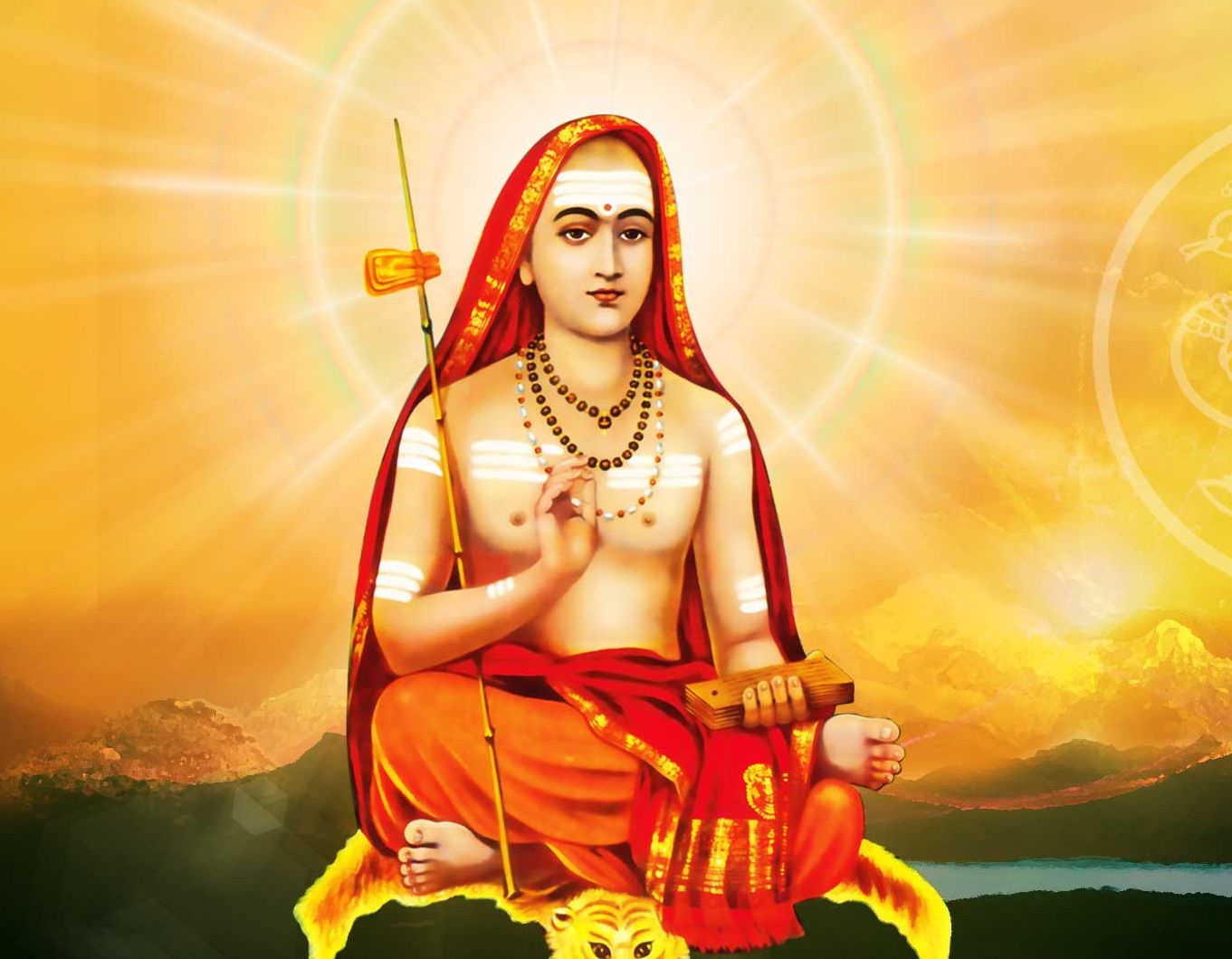
Beyond the Veil: Understanding the Self as the Perceiver
In the profound words of Adi Shankara, "The Self can never be the body or the senses, for these are perceived; the Self is the perceiver." This statement invites us to explore the distinction between our true essence and the transient aspects of our existence. It challenges us to recognize that while our bodies and senses may provide us with experiences, they do not define who we are at the core. Understanding this separation is crucial for spiritual growth, as it allows us to transcend the limitations of our physical form and sensory perceptions.
Shankara’s assertion serves as a reminder that the essence of our being—the Self—exists independently of the physical and sensory experiences that often dominate our attention. This realization can be liberating, as it encourages us to look beyond the surface of our lives and engage with the deeper truths of existence. By recognizing ourselves as the perceiver, we can cultivate a sense of inner peace and clarity, moving towards a more authentic understanding of our place in the universe.
The image / the metaphor
The imagery in Shankara's quote is striking in its simplicity yet profound in its implications. The distinction between the "perceiver" and the "perceived" evokes a sense of duality that is central to many spiritual traditions. The body and senses are likened to objects in a vast landscape, while the Self is the observer standing apart, witnessing the unfolding of experiences without being entangled in them. This metaphor invites us to visualize ourselves as the still center in a whirlwind of sensory input, emphasizing the importance of cultivating awareness and detachment.
Diving deeper into this metaphor, we can see that the act of perceiving is not merely passive observation; it is an active engagement with the world that allows for a deeper understanding of reality. The perceiver is not just an observer but also a participant in the dance of existence, capable of reflection and insight. This perspective encourages us to embrace our role as conscious beings, capable of discerning the transient nature of our experiences while remaining anchored in the eternal essence of the Self.
In the speaker's tradition
Adi Shankara's teachings are rooted in the Vedantic tradition, which emphasizes the importance of self-inquiry and the realization of non-duality (Advaita). Concepts such as dharma, the moral order of the universe, and prajna, or wisdom, are integral to understanding the nature of the Self. In this context, the idea of the Self as the perceiver aligns with the practice of kenosis, or self-emptying, which invites individuals to relinquish their attachments to the ego and the material world. This process of letting go is essential for realizing the unity of all existence and the interconnectedness of the Self with the cosmos.
In the Vivekachudamani, Shankara elaborates on the nature of reality and the distinction between the eternal and the ephemeral. He draws upon the metaphor of the rope and the snake, where the rope represents the ultimate reality of the Self, while the snake symbolizes the illusion created by ignorance. This text serves as a guide for seekers, encouraging them to discern the true nature of their being and to recognize the limitations of the physical world. By engaging with these teachings, one can cultivate a deeper understanding of the Self as the perceiver, ultimately leading to liberation from the cycle of suffering.
Living the teaching
Consider a modern scenario where this teaching can be applied: a busy professional overwhelmed by the demands of work and life. In moments of stress, it is easy to identify solely with the body and the senses, feeling trapped in a whirlwind of responsibilities and expectations. However, by remembering Shankara's insight, the individual can take a step back and recognize that they are not merely their job, their stress, or their physical sensations. This shift in perspective allows for a sense of calm and clarity, enabling them to respond to challenges with greater equanimity and wisdom.
In relationships, this teaching can also illuminate the dynamics of connection. When conflicts arise, it is common to become entangled in emotional reactions, identifying with feelings of anger or hurt. Yet, by embracing the understanding that the Self is the perceiver, one can approach these situations with a sense of detachment. This does not mean disengagement; rather, it allows for a more compassionate and thoughtful response, fostering deeper understanding and connection with others. By embodying the role of the perceiver, we can navigate the complexities of relationships with grace and insight.
A reflection
As we contemplate Shankara's profound statement, we are invited to explore the nature of our own identity. What does it mean to you to be the perceiver in your life? In moments of distraction or turmoil, how can you cultivate awareness of the Self beyond the body and senses? This inquiry can serve as a powerful tool for self-discovery, guiding us toward a deeper understanding of our true essence and our interconnectedness with all that is.





Join the BrightStar Community
Stay connected with daily inspiration, event announcements, and community wisdom