The Path of Renunciation: A Journey to Immortality
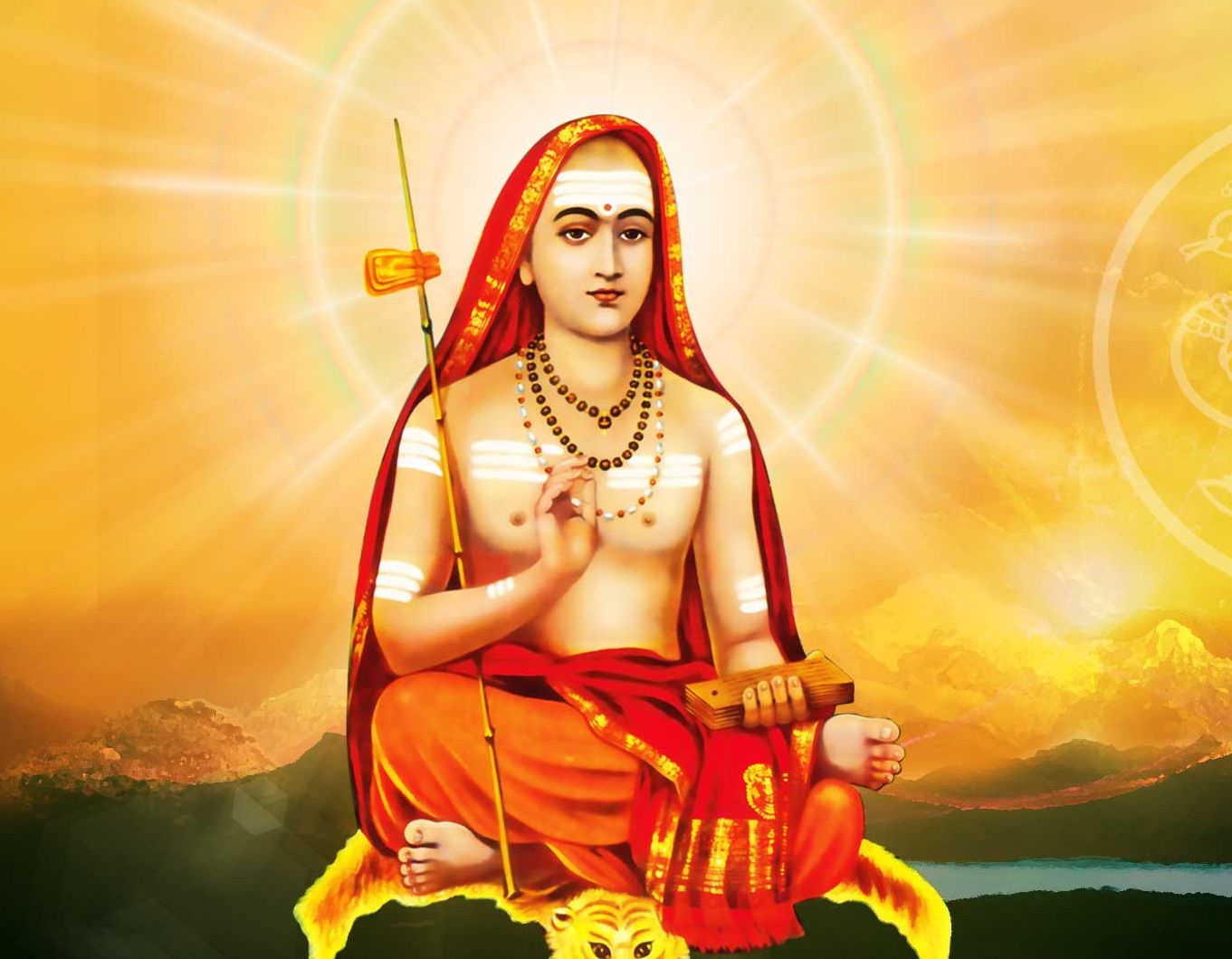
Adi Shankara's assertion that "Not by works, not by progeny, not by wealth — only by renunciation is immortality attained" invites us to reconsider the very foundations of our existence. In a world that often equates success with tangible achievements, familial legacy, and material wealth, Shankara's words challenge us to look beyond these transient markers of identity. The essence of this teaching lies in the profound realization that true liberation and immortality are not found in external accomplishments but in the inner journey of letting go.
This perspective is particularly relevant in our contemporary society, where the relentless pursuit of success can lead to a sense of emptiness. Shankara's emphasis on renunciation as the key to immortality encourages us to reflect on what we truly value. It invites us to explore the deeper dimensions of our being, suggesting that the path to lasting fulfillment lies not in accumulation but in the courageous act of surrendering our attachments and desires.
The image / the metaphor
The imagery in Shankara's quote is striking in its simplicity yet profound in its implications. The terms "works," "progeny," and "wealth" evoke the various ways in which humans seek validation and meaning. Each of these elements represents a different facet of our lives, often leading us to believe that they define our worth. However, the verb "renunciation" stands out as a powerful call to action, urging us to release our grip on these external validations in favor of a deeper, more authentic existence.
In the speaker's tradition
Within the Vedantic tradition, Shankara's teaching resonates with the core concepts of dharma and moksha. Dharma, often understood as one's duty or righteous path, is intricately linked to the idea of living in alignment with one's true nature. In contrast, moksha represents liberation from the cycle of birth and death, a state that can only be attained through the realization of the self. Shankara's emphasis on renunciation aligns with the notion of kenosis, or self-emptying, which is essential for spiritual awakening.
In the Vivekachudamani, Shankara elaborates on the nature of the self and the importance of discerning the eternal from the ephemeral. He draws upon the concept of sunyata, or emptiness, which invites practitioners to recognize the illusory nature of worldly attachments. This understanding is echoed in the teachings of other spiritual traditions, such as the Sufi concept of fana, which emphasizes the dissolution of the self in the divine. Through these teachings, we see a universal thread that underscores the necessity of renunciation for attaining true immortality.
Living the teaching
Consider a modern scenario where an individual is caught in the relentless pursuit of career advancement. This person may work long hours, sacrificing personal relationships and well-being in the hope of achieving a prestigious title or financial success. In this context, Shankara's teaching serves as a poignant reminder that true fulfillment does not stem from external accolades but from a deeper sense of purpose and connection. By embracing the principle of renunciation, this individual might begin to reassess their priorities, seeking a balance that honors both their professional aspirations and their inner peace.
In a different application, imagine a relationship strained by expectations and attachments. One partner may feel burdened by the other's desire for constant validation and material success. Here, the teaching of renunciation can illuminate a path toward healing. By letting go of the need for approval and embracing a more authentic expression of love, both partners can cultivate a deeper connection rooted in mutual respect and understanding. This shift not only fosters intimacy but also aligns with the essence of Shankara's teaching, revealing that true immortality in relationships arises from the willingness to surrender ego-driven desires.
A reflection
As we contemplate Shankara's profound assertion, we are invited to reflect on our own lives: What attachments or desires are we clinging to that may be hindering our spiritual growth? In what ways can we practice renunciation to cultivate a deeper sense of freedom and connection to our true selves? This inquiry encourages us to explore the transformative power of letting go, guiding us toward a more authentic and liberated existence.





Join the BrightStar Community
Stay connected with daily inspiration, event announcements, and community wisdom