The Illusion of Knowledge: A Journey to the Self
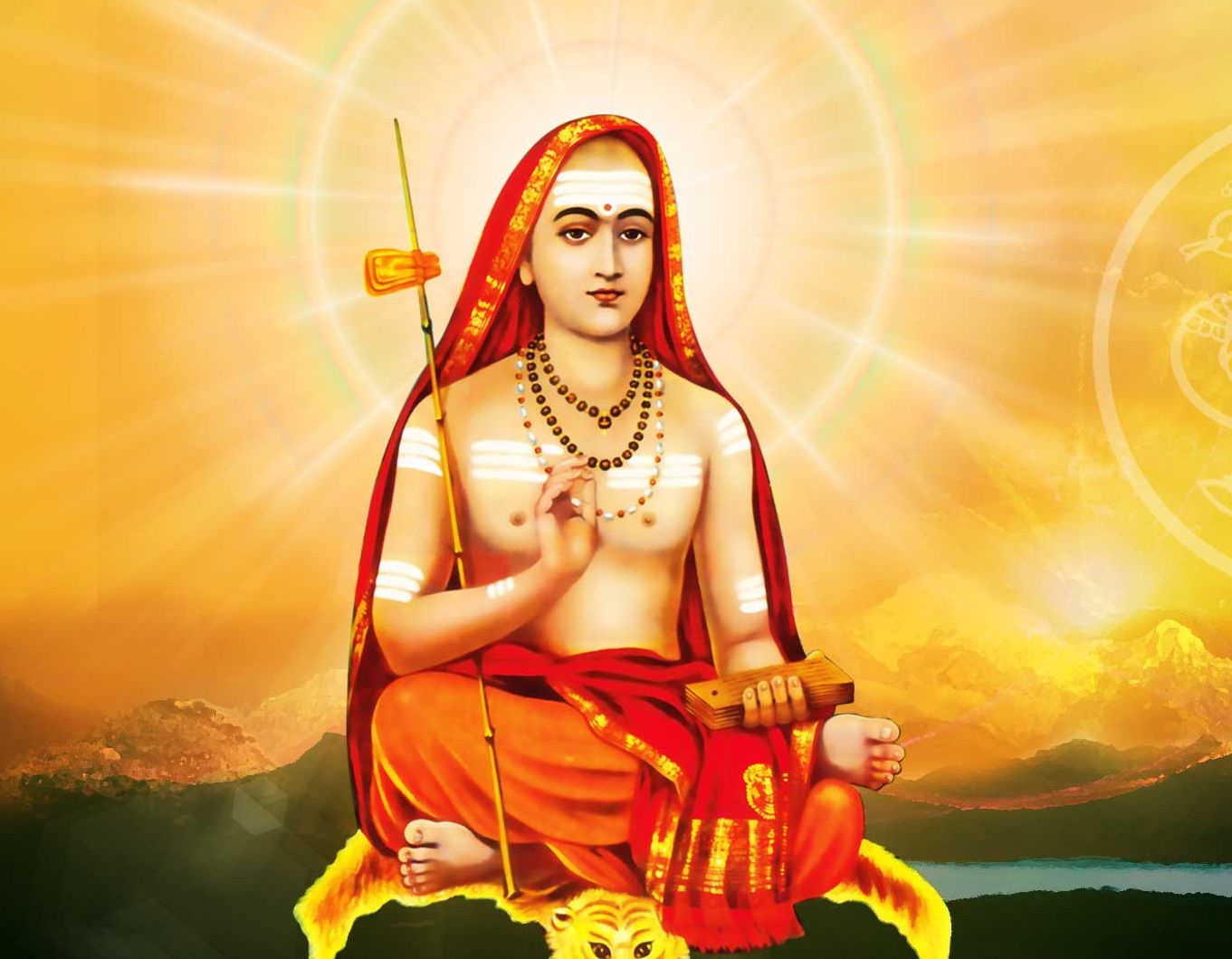
In the words of Adi Shankara, "Like one who counts other people's money but never has any of his own — such is he who has merely heard about the Self." This poignant metaphor reveals the emptiness of intellectual understanding devoid of personal experience. It underscores the importance of direct knowledge over mere hearsay, suggesting that true wisdom arises not from external sources but from an internal realization of the Self. The stakes are high; without this experiential knowledge, one remains a mere spectator in the realm of spirituality, unable to grasp the profound truths that lie within.
Shankara's insight invites us to reflect on the nature of our understanding. In a world saturated with information, it is all too easy to become an accumulator of facts and theories without ever engaging with the essence of those ideas. This quote challenges us to examine our own spiritual journeys: Are we merely observers, counting the riches of others' experiences, or are we actively seeking to cultivate our own inner wealth? The distinction is crucial, as it shapes not only our spiritual lives but also our relationships with ourselves and others.
The image / the metaphor
The imagery in Shankara's quote is striking and evocative. The act of counting someone else's money conjures a sense of detachment and superficiality. It implies a lack of ownership and authenticity, suggesting that the person engaged in this activity is not only disconnected from the wealth they are tallying but also from the deeper truths of existence. The verbs chosen—"counts" and "has"—highlight a disparity between knowledge and possession, between external observation and internal realization.
Diving deeper into this metaphor, we can see that the act of counting represents a form of intellectual engagement that lacks depth. It is a passive activity, one that does not require the emotional or spiritual investment necessary for true understanding. In contrast, the experience of the Self demands a profound engagement with one's own inner life, a willingness to confront the shadows and light within. This metaphor serves as a reminder that spiritual knowledge is not merely an academic pursuit; it is a lived experience that transforms the seeker from within.
In the speaker's tradition
Adi Shankara's teachings are rooted in the Vedantic tradition, which emphasizes the realization of the Self (Atman) as the ultimate goal of human existence. This journey towards self-realization is often framed within the context of dharma, the moral and ethical duties that guide one's life. In this light, the quote can be seen as a call to engage with one's own dharma, to seek the truth of the Self through direct experience rather than through the lens of others' experiences. Concepts such as prajna, or wisdom, and kenosis, the act of self-emptying, resonate deeply here, as they both point towards the necessity of personal engagement in the spiritual journey.
In the Vivekachudamani, Shankara elaborates on the distinction between knowledge that is merely heard and knowledge that is realized. He emphasizes that true wisdom arises from a direct encounter with the Self, akin to the experience of sunyata (emptiness) in Buddhist thought, where one must let go of preconceived notions to grasp the essence of reality. This interplay of ideas across traditions enriches our understanding of Shankara's message, highlighting the universal quest for authentic knowledge and the transformative power of direct experience.
Living the teaching
Consider a modern scenario where this teaching might resonate: a person who avidly reads spiritual texts and attends workshops yet feels a persistent sense of emptiness. They can recite quotes and concepts with ease, yet their daily life lacks the depth of understanding that comes from personal experience. This individual is akin to the one counting others' money; they have accumulated knowledge but have not yet engaged with the transformative power of that knowledge in their own life. The challenge lies in moving from intellectual understanding to a heartfelt exploration of the Self.
In relationships, this teaching can manifest as a disconnect between partners. One might be well-versed in the principles of love and compassion, yet fail to embody these qualities in their interactions. This discrepancy can lead to misunderstandings and emotional distance. By recognizing the importance of direct experience, individuals can strive to cultivate deeper connections, moving beyond theoretical discussions to genuine expressions of love and understanding. The journey towards embodying these teachings requires vulnerability and a willingness to confront one's own limitations.
A reflection
As we contemplate Shankara's profound words, we are invited to ask ourselves: In what areas of my life am I merely counting the experiences of others rather than engaging with my own? This question serves as a catalyst for introspection, urging us to seek out our own truths and to cultivate a deeper understanding of the Self. By embracing this inquiry, we can begin to transform our spiritual journeys from passive observation to active participation, ultimately leading us closer to the essence of who we truly are.






Join the BrightStar Community
Stay connected with daily inspiration, event announcements, and community wisdom