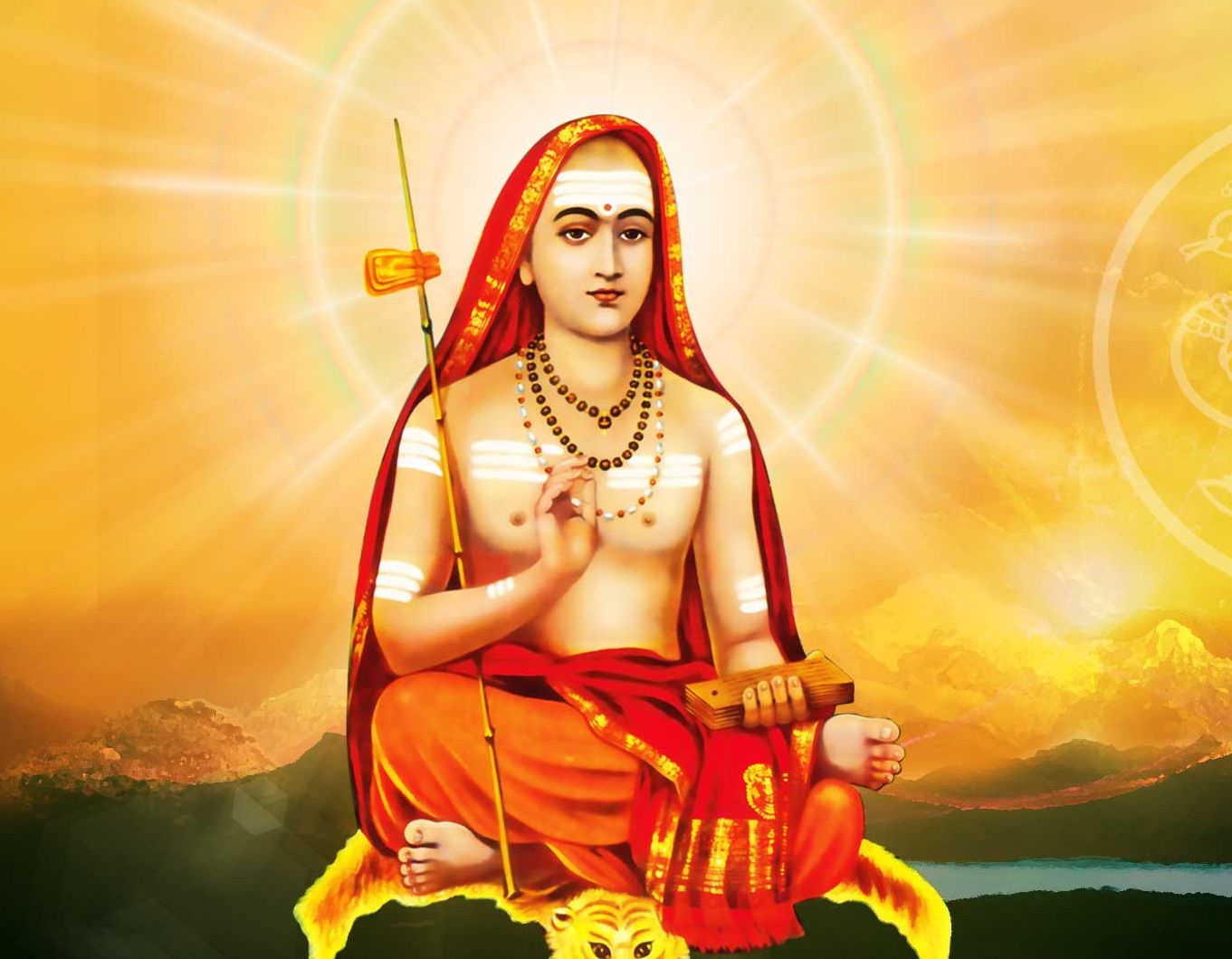
Illuminating the Path: The Dance of Knowledge and Ignorance
In the profound words of Adi Shankara, "Knowledge alone destroys ignorance, as light destroys darkness." This statement encapsulates a fundamental truth about the human experience: the transformative power of knowledge. Just as light dispels the shadows that obscure our vision, knowledge illuminates the mind, revealing the essence of reality and dispelling the illusions that bind us. In a world often clouded by misunderstanding and confusion, this insight serves as a beacon, guiding us toward clarity and understanding.
To grasp the depth of Shankara's assertion, we must recognize the duality of knowledge and ignorance. Ignorance, in this context, is not merely a lack of information; it is a profound misunderstanding of our true nature and the nature of existence. Knowledge, then, is not just the accumulation of facts but a transformative force that leads to self-realization and liberation. This interplay between knowledge and ignorance is central to the spiritual journey, inviting us to explore the depths of our consciousness and the nature of reality itself.
The image / the metaphor
At its core, Shankara's quote employs a vivid metaphor that resonates deeply within the human psyche. The imagery of light and darkness evokes a visceral understanding of the struggle between knowledge and ignorance. Light, representing knowledge, is dynamic and life-affirming, while darkness symbolizes ignorance, a state of confusion and limitation. The verbs chosen—"destroys"—imply a powerful, almost violent transition from one state to another, suggesting that the arrival of knowledge is not merely a gentle illumination but a forceful eradication of the shadows that obscure our understanding.
Diving deeper into this metaphor, we can see that light does not merely coexist with darkness; it transforms the very fabric of our perception. When light enters a dark room, the shadows recede, revealing the contours of the space and the objects within it. Similarly, knowledge unveils the truths of our existence, allowing us to see beyond the illusions that often govern our lives. This transformative process is not just an intellectual exercise; it is a profound awakening that reshapes our understanding of ourselves and the world around us.
In the speaker's tradition
Adi Shankara, a pivotal figure in the Advaita Vedanta tradition, emphasizes the importance of knowledge (jnana) as a means to transcend ignorance (avidya). In this philosophical framework, ignorance is seen as the root cause of suffering, leading individuals to identify with the transient aspects of existence rather than their true, unchanging nature. Concepts such as dharma (righteousness) and prajna (wisdom) are intricately woven into this understanding, highlighting the necessity of aligning one's life with knowledge to achieve liberation (moksha) from the cycle of birth and death.
In the context of Shankara's teachings, the Upanishads serve as a foundational text that echoes the sentiment of his quote. For instance, the Chandogya Upanishad speaks of the ultimate reality, Brahman, as the source of all knowledge and existence. This aligns with Shankara's assertion that true knowledge leads to the realization of our oneness with the divine, illuminating the path to liberation. The interplay of light and darkness, knowledge and ignorance, is thus not only a metaphor but a central theme in the quest for self-realization within the Vedantic tradition.
Living the teaching
Consider a modern scenario where this teaching resonates profoundly: the experience of navigating misinformation in today's digital age. With the vast expanse of information available at our fingertips, distinguishing between truth and falsehood can feel overwhelming. In this context, the pursuit of knowledge becomes an act of discernment, a conscious effort to seek clarity amidst the noise. By engaging critically with information and seeking deeper understanding, we embody Shankara's teaching, allowing knowledge to dispel the ignorance that can lead to confusion and fear.
Another application of this teaching can be found in interpersonal relationships. Often, misunderstandings arise from a lack of knowledge about one another's perspectives and experiences. By fostering open communication and a willingness to learn, we can illuminate the shadows of ignorance that may cloud our interactions. This practice not only deepens our connections but also cultivates empathy and compassion, allowing us to navigate conflicts with greater understanding and grace. In both personal and collective contexts, the light of knowledge serves as a transformative force, guiding us toward deeper connection and understanding.
A reflection
As we contemplate the wisdom of Adi Shankara's words, we are invited to reflect on our own relationship with knowledge and ignorance. In what areas of your life do you feel the shadows of misunderstanding lingering? What steps can you take to invite the light of knowledge into those spaces? This inquiry not only deepens our understanding of ourselves but also empowers us to engage more fully with the world around us, illuminating the path toward greater awareness and connection.





Join the BrightStar Community
Stay connected with daily inspiration, event announcements, and community wisdom