The Ocean of Existence: Embracing the Waves of Life
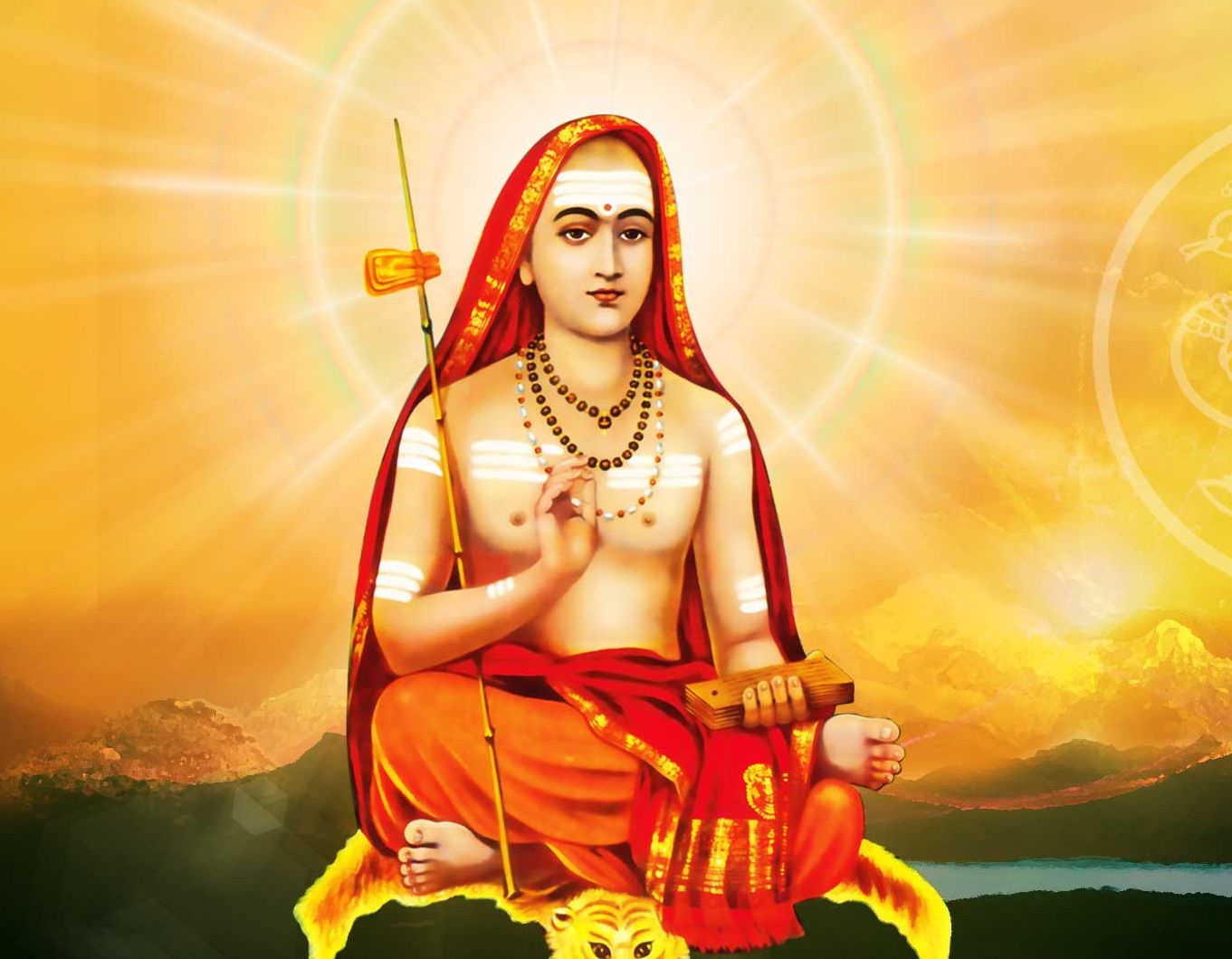
In the profound words of Adi Shankara, "Death and birth, like waves on the ocean, rise and fall — but the ocean is unchanged." This evocative metaphor invites us to contemplate the nature of existence, where the transient phenomena of life and death are akin to the ceaseless ebb and flow of waves. The ocean, representing the eternal essence of being, remains unaffected by the tumultuous cycles of birth and death. Understanding this relationship is crucial, as it encourages us to cultivate a deeper awareness of our own lives, recognizing the impermanence that surrounds us while anchoring ourselves in the unchanging reality of our true nature.
As we delve deeper into this quote, we uncover layers of meaning that resonate with the human experience. The imagery of waves suggests movement, change, and the inevitable transitions that characterize our lives. Birth and death are not merely endpoints; they are part of a larger continuum, a dance of existence that reflects the dynamic interplay of creation and dissolution. By recognizing that these waves rise and fall within the vast ocean of consciousness, we can begin to appreciate the stability that lies beneath the surface of our experiences, inviting us to explore the depths of our own being.
The image / the metaphor
The metaphor of waves and the ocean serves as a powerful visual representation of the dualities inherent in life. Waves are transient, constantly shifting in form and intensity, symbolizing the fleeting nature of our experiences. In contrast, the ocean embodies permanence, depth, and an expansive presence that transcends the individual waves. The choice of verbs—"rise" and "fall"—captures the cyclical nature of existence, suggesting that while we may experience highs and lows, the essence of who we are remains constant and unchanging.
Diving deeper into this metaphor, we can see that the ocean represents the ultimate reality, often referred to in Vedanta as Brahman, the unchanging, infinite consciousness that underlies all existence. The waves, on the other hand, symbolize the myriad forms and phenomena of the material world, which are subject to birth, growth, decay, and death. This duality invites us to reflect on our own lives: while we may identify with the waves—our thoughts, emotions, and experiences—true wisdom lies in recognizing our connection to the ocean, the eternal source from which we arise and to which we ultimately return.
In the speaker's tradition
Adi Shankara, a pivotal figure in the Advaita Vedanta tradition, emphasizes the non-dual nature of reality, where the distinction between the individual self (Atman) and the universal consciousness (Brahman) dissolves. This teaching aligns with the concept of *Maya*, the illusion of separateness that leads us to identify with the transient waves of life rather than the unchanging ocean of existence. By understanding the interplay of birth and death as part of the greater cosmic order, we can cultivate a sense of detachment that allows us to navigate life's challenges with grace and equanimity.
In the *Vivekachudamani*, Shankara articulates the importance of discerning the real from the unreal, urging seekers to recognize that the fluctuations of life are not the ultimate truth. This text serves as a guide for those on the spiritual path, encouraging us to cultivate *jnana* (knowledge) and *vairagya* (detachment) in order to realize our true nature. The metaphor of the ocean and waves encapsulates this journey of awakening, inviting us to transcend the illusions of the material world and embrace the eternal essence that lies within.
Living the teaching
Consider a modern scenario where the teaching of Shankara's quote resonates deeply: the experience of loss. When a loved one passes away, the waves of grief can feel overwhelming, rising and crashing with intensity. Yet, in the midst of this emotional turmoil, we can find solace in the understanding that death is but a wave in the ocean of existence. By recognizing that our loved ones are part of the eternal ocean, we can cultivate a sense of peace, allowing ourselves to grieve while also celebrating the unchanging essence that connects us all.
This teaching can also be applied in the context of relationships. When conflicts arise, it is easy to become entangled in the waves of anger, frustration, or disappointment. However, by stepping back and acknowledging the deeper ocean of love and connection that underlies our interactions, we can approach these challenges with a renewed perspective. This awareness encourages us to respond with compassion and understanding, recognizing that the waves of conflict are temporary, while the ocean of our shared humanity remains constant and unyielding.
A reflection
As we reflect on Adi Shankara's profound insight, we are invited to consider the nature of our own experiences. In what ways do we identify with the waves of our lives, and how might we cultivate a deeper awareness of the ocean that lies beneath? By embracing the impermanence of our circumstances while anchoring ourselves in the unchanging essence of our being, we can navigate the complexities of existence with grace and wisdom.





Join the BrightStar Community
Stay connected with daily inspiration, event announcements, and community wisdom