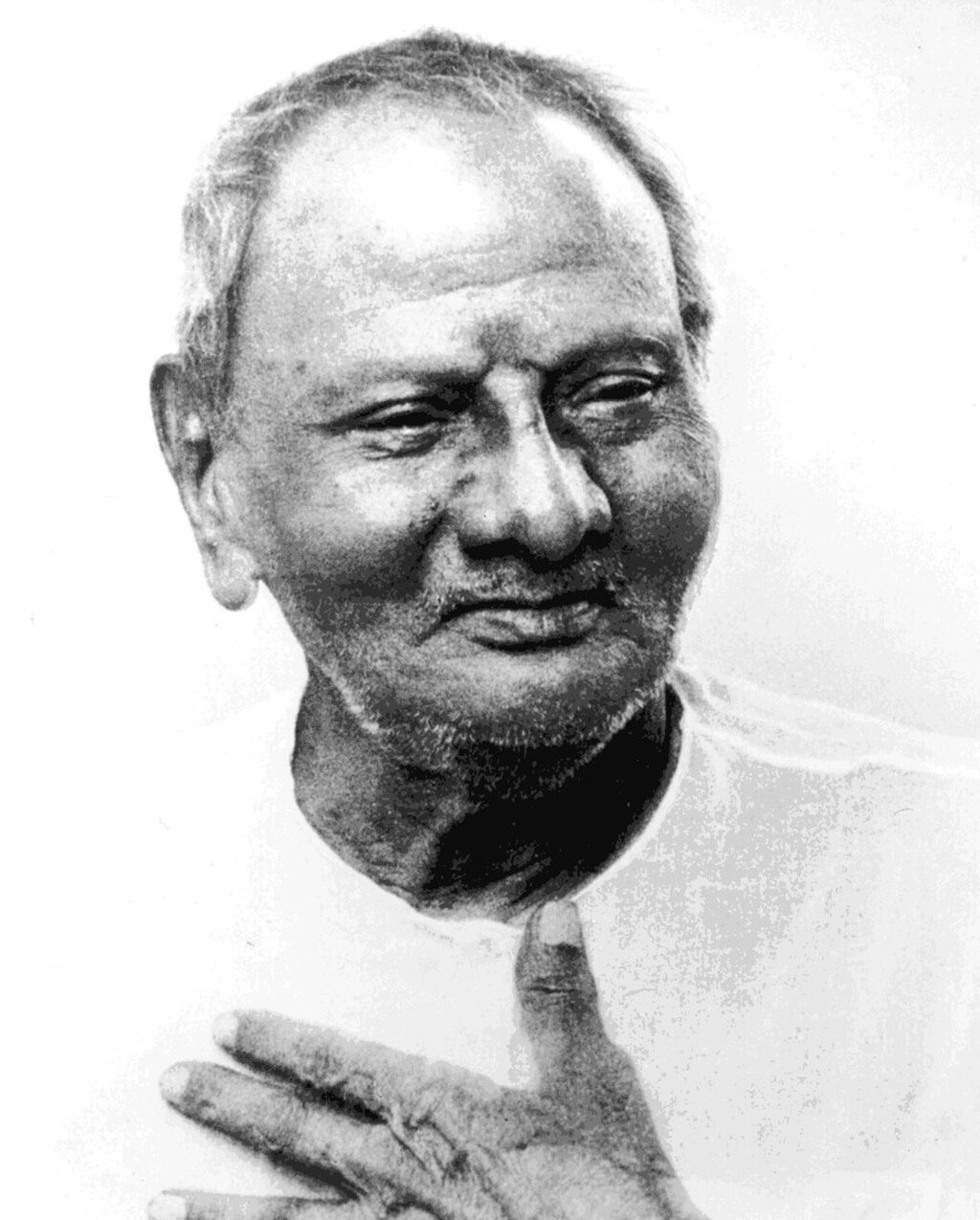
The Illusion of Self: Unraveling the Thought of Identity
Nisargadatta Maharaj's assertion that "the self is only a thought" invites us to reconsider the very foundation of our identity. This statement challenges the deeply ingrained belief that we are separate, autonomous beings defined by our thoughts, experiences, and emotions. By recognizing the self as merely a construct of thought, we open ourselves to a profound exploration of consciousness and the nature of reality. This inquiry is not merely philosophical; it holds the potential to liberate us from the confines of ego and lead us toward a more expansive understanding of existence.
In a world that often equates self-worth with personal achievements and social status, Maharaj's words resonate with a liberating truth. The notion that the self is a mere thought suggests that our identities are not fixed but fluid, shaped by perception and belief. This realization can be both unsettling and exhilarating, as it invites us to peel back the layers of our conditioned responses and societal expectations. By engaging with this teaching, we may find ourselves on a path toward deeper self-awareness and authentic connection with the world around us.
The image / the metaphor
The phrase "the self is only a thought" evokes a vivid image of the mind as a vast landscape where thoughts arise like clouds in the sky. Just as clouds are transient and ever-changing, so too are the thoughts that construct our sense of self. This metaphor emphasizes the impermanence of identity; it suggests that what we often cling to as our "self" is nothing more than a fleeting mental construct. The verbs chosen—"is" and "thought"—imply a state of being that is contingent upon perception, highlighting the ephemeral nature of our identities.
Diving deeper into this metaphor, we can consider the implications of viewing the self as a thought. If the self is merely a thought, then it can be questioned, examined, and ultimately transcended. This perspective invites us to engage in a process of inquiry, asking ourselves who we truly are beyond the labels and narratives we have constructed. By recognizing the self as a thought, we can begin to disidentify from it, allowing for a more profound experience of being that transcends the limitations of ego.
In the speaker's tradition
Nisargadatta Maharaj's teachings are rooted in the non-dual tradition, which emphasizes the interconnectedness of all existence and the illusory nature of the separate self. Concepts such as *sunyata* (emptiness) and *fana* (annihilation of the self) resonate deeply within this framework, suggesting that true liberation comes from recognizing the emptiness of the self. In this context, the self is not an entity to be preserved but a thought to be understood and ultimately dissolved, revealing the underlying unity of consciousness that pervades all beings.
Living the teaching
Consider a modern scenario where this teaching can be applied: a person grappling with feelings of inadequacy in their career. They may find themselves trapped in a cycle of self-doubt, constantly comparing their achievements to those of others. By reflecting on Maharaj's teaching, they can begin to recognize that these feelings of inadequacy are not inherent truths but rather thoughts that arise from societal conditioning. This realization can empower them to step back from their self-judgment and approach their work with renewed clarity and purpose, free from the weight of ego.
In relationships, the teaching can also provide profound insights. Imagine a conflict arising between two partners, each holding tightly to their perspectives and grievances. By embracing the understanding that the self is merely a thought, both individuals can cultivate a sense of spaciousness, allowing them to see beyond their egos. This shift in perception can foster empathy and compassion, enabling them to engage in a more constructive dialogue that transcends the limitations of their individual narratives.
A reflection
As we contemplate the profound statement that "the self is only a thought," we are invited to engage in a deep inquiry into our own identities. What thoughts and beliefs do we hold about ourselves that may not reflect our true essence? In what ways can we begin to disidentify from these thoughts and embrace a more expansive understanding of who we are? These questions can serve as a guiding light on our journey toward self-discovery and liberation.



Join the BrightStar Community
Stay connected with daily inspiration, event announcements, and community wisdom