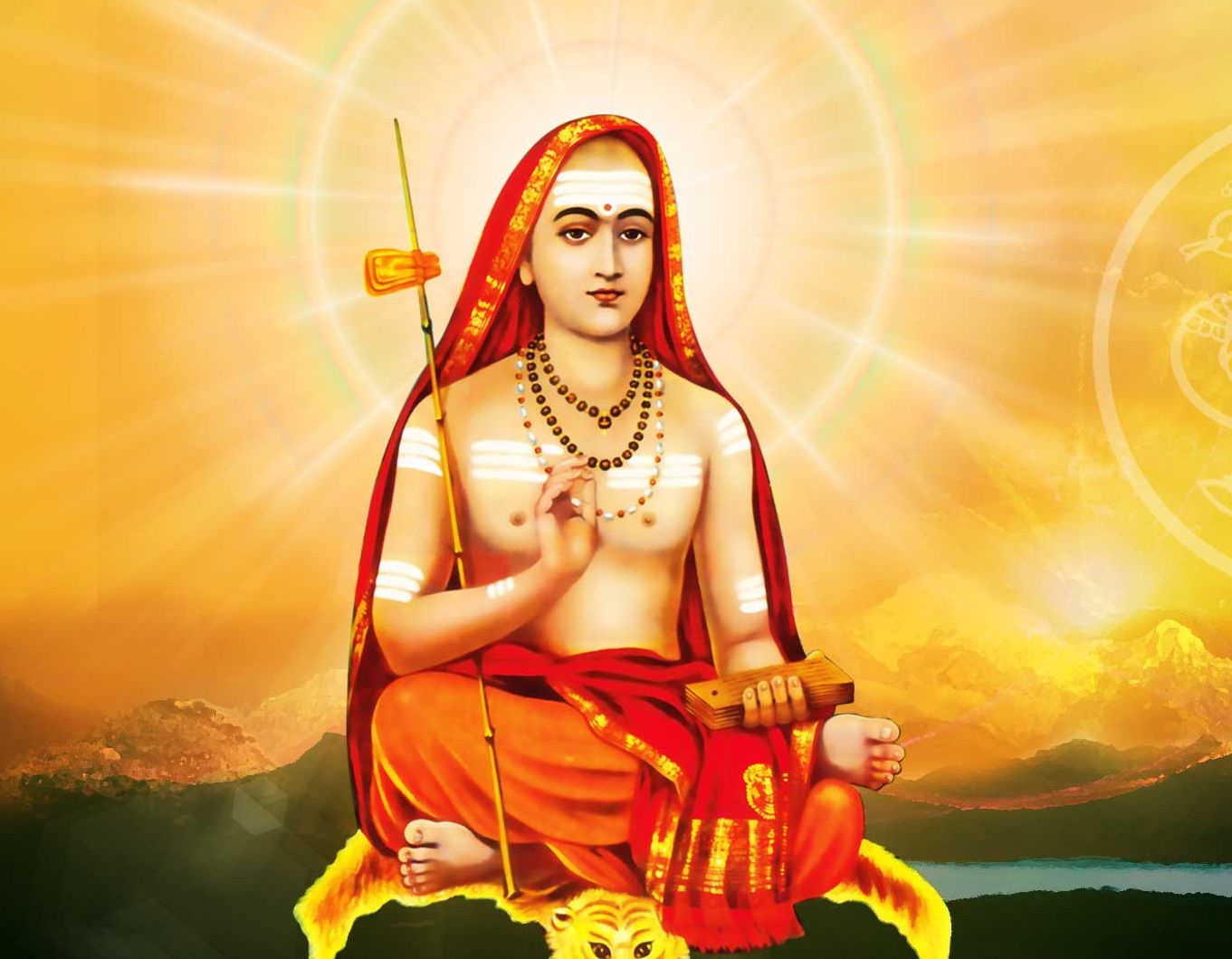
Beyond the Veil of Flesh: The Path to Liberation
Adi Shankara's assertion that "there is no greater obstacle to liberation than identification with the body" invites us to reflect on the profound implications of our attachment to physical form. In a world that often prioritizes the material and the tangible, this statement serves as a clarion call to examine the deeper layers of our existence. Liberation, or moksha, is not merely a distant goal but a state of being that requires us to transcend the confines of our corporeal identity.
To identify solely with the body is to anchor oneself in a transient reality, one that is subject to decay and change. This identification can lead to suffering, as we cling to a sense of self that is inherently impermanent. Shankara's wisdom encourages us to look beyond the physical, to explore the essence of our true nature, which is unbounded and eternal. In doing so, we can begin to dismantle the barriers that prevent us from experiencing the fullness of life and the interconnectedness of all beings.
The image / the metaphor
At the heart of Shankara's quote lies a vivid metaphor that contrasts the ephemeral nature of the body with the enduring essence of the self. The term "identification" evokes a sense of entanglement, suggesting that we have woven our identities so tightly around our physical forms that we have lost sight of our true selves. The body, while a vessel for our experiences, is not the entirety of who we are; it is but a temporary manifestation in the grand tapestry of existence.
Diving deeper into this metaphor, we can envision the body as a mask that we wear in the theater of life. While it allows us to engage with the world, it can also obscure our understanding of our inner reality. The verbs "to identify" and "to liberate" create a dynamic tension; liberation requires an active disentangling from the confines of the body. This process is not merely intellectual but deeply experiential, calling us to engage in practices that foster self-awareness and spiritual growth.
In the speaker's tradition
Adi Shankara's teachings are rooted in the Vedantic tradition, which emphasizes the distinction between the eternal self (Atman) and the transient body (Sharira). This duality is central to understanding the nature of reality and our place within it. Concepts such as dharma, or righteous duty, and prajna, or wisdom, further illuminate the path to liberation. By recognizing that our true essence transcends the physical, we can align our actions with a higher purpose, fostering a sense of unity with the cosmos.
In the Vivekachudamani, Shankara elaborates on the nature of the self and the importance of discernment (viveka) in realizing our true nature. He draws upon the metaphor of the ocean and the waves, illustrating how the waves (the body and mind) are temporary forms that arise from the ocean (the eternal self). This imagery serves to remind us that while we may experience life through our bodies, our essence remains untouched by the fluctuations of the material world.
Living the teaching
Consider a modern scenario where an individual is consumed by their physical appearance, constantly seeking validation through social media and societal standards. This attachment to the body can lead to anxiety, dissatisfaction, and a sense of disconnection from one's true self. By embracing Shankara's teaching, this person might begin to explore practices such as meditation or self-inquiry, gradually shifting their focus from external validation to internal acceptance. This journey of self-discovery can reveal the deeper layers of identity that exist beyond the physical form.
In relationships, the challenge of identification with the body can manifest as jealousy or insecurity. When we perceive ourselves primarily through the lens of our physical attributes, we may struggle to appreciate the deeper emotional and spiritual connections that bind us to others. By recognizing that our essence is not confined to our bodies, we can cultivate a sense of compassion and understanding, allowing us to engage more authentically with those we love. This shift in perspective fosters healthier relationships, grounded in mutual respect and the recognition of our shared humanity.
A reflection
As we contemplate Shankara's profound insight, we are invited to ask ourselves: "In what ways do I identify with my body, and how does this identification shape my experience of life?" This question encourages a deep exploration of our attachments and the beliefs that underpin them. By engaging with this inquiry, we can begin to peel back the layers of our identity, moving toward a more expansive understanding of who we are beyond the physical realm.





Join the BrightStar Community
Stay connected with daily inspiration, event announcements, and community wisdom