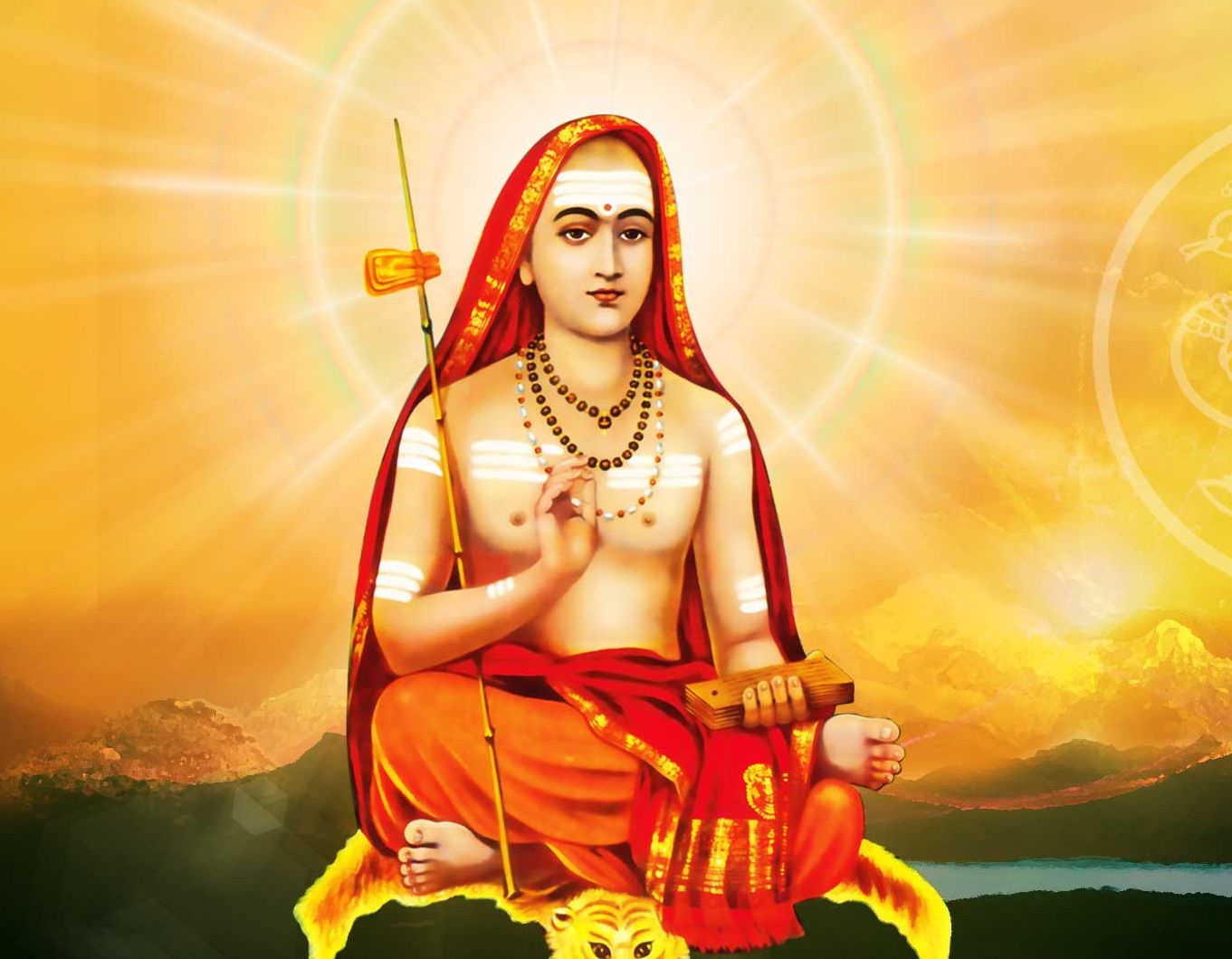
The Oneness of Being: A Journey into Non-Duality
In the profound assertion by Adi Shankara, "The Self is one without a second; there is no other beside it," we encounter a radical invitation to explore the essence of our being. This statement encapsulates the core of non-dual philosophy, suggesting that the true Self transcends the illusion of separation. In a world rife with division and duality, understanding this teaching is not merely an intellectual exercise; it is a transformative journey that can lead to profound peace and unity.
To grasp the significance of Shankara's words, we must delve into the nature of the Self as described in Vedanta. The notion of a singular Self challenges our everyday experiences of individuality and separateness. It beckons us to reconsider our perceptions and to recognize that the essence of existence is interconnectedness. This realization is not just a philosophical concept but a lived experience that can reshape our understanding of ourselves and our relationships with others.
The image / the metaphor
The imagery in Shankara's quote evokes a sense of wholeness and completeness. The phrase "one without a second" suggests a reality that is undivided, where the Self exists in its purest form, free from the distractions of duality. The verbs chosen here—"is" and "beside"—imply a state of being that is absolute and unchanging, contrasting sharply with the transient nature of our thoughts and emotions. This language invites us to feel the depth of our own existence, urging us to look beyond the surface of our daily lives.
In the speaker's tradition
Adi Shankara's teachings are rooted in the rich tradition of Vedanta, which emphasizes the ultimate unity of the Self (Atman) with the absolute reality (Brahman). This non-dual perspective aligns with concepts such as dharma, which refers to the moral order of the universe, and prajna, the wisdom that arises from direct experience of this unity. In this context, the teaching of non-duality serves as a guiding principle for living a life that is in harmony with the greater whole, transcending the limitations of ego and personal desire.
In the Upanishads, which are foundational texts for Vedanta, we find echoes of Shankara's assertion. For instance, the Chandogya Upanishad states, "Tat Tvam Asi," meaning "That Thou Art," which reinforces the idea that the individual self is not separate from the universal essence. This profound realization invites us to explore the depths of our being and to recognize that our true identity is not confined to our thoughts, emotions, or physical forms but is instead a manifestation of the singular reality that connects us all.
Living the teaching
Consider a modern scenario where the teaching of non-duality can be applied: a workplace conflict. Imagine two colleagues who are at odds, each believing their perspective is the only valid one. In this situation, the realization that "the Self is one without a second" can serve as a powerful reminder that beneath their apparent differences lies a shared humanity. By recognizing the interconnectedness of their experiences, they may find common ground and a path toward resolution, transforming conflict into collaboration.
Another application of this teaching can be found in personal relationships. When faced with misunderstandings or disagreements, the notion of non-duality encourages us to step back and reflect on the shared essence that binds us to others. Instead of viewing the other person as an adversary, we can approach the situation with compassion, understanding that our true nature is one of unity. This shift in perspective can foster deeper connections and a greater sense of empathy, allowing love and understanding to flourish even in challenging moments.
A reflection
As we contemplate Shankara's profound assertion, we are invited to explore the depths of our own being. What does it mean for you to recognize that the Self is one without a second? In moments of separation or conflict, how might this understanding transform your perspective and actions? Allow this question to linger in your heart, guiding you toward a deeper exploration of your own experience of oneness.





Join the BrightStar Community
Stay connected with daily inspiration, event announcements, and community wisdom