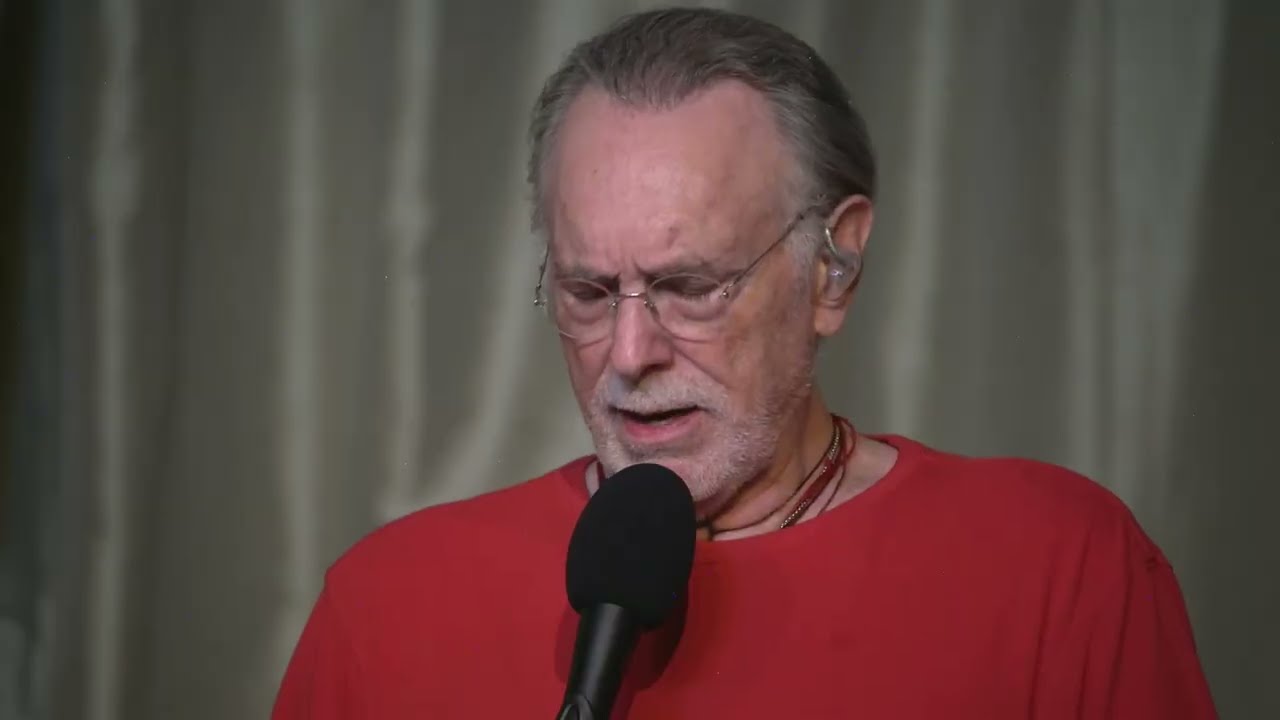
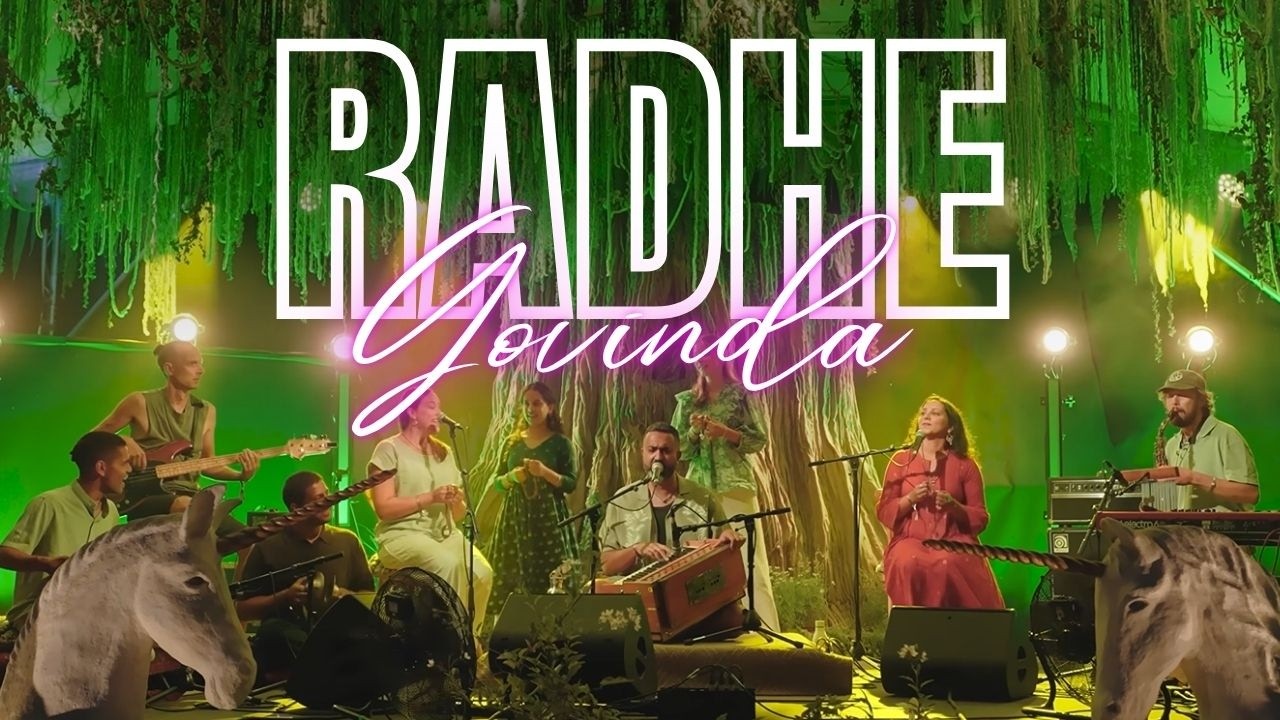
In the architecture of Kundalini yoga, few sounds carry the resonance and transformative intention of Ra Ma Da Sa. This ancient mantra, set to music on Ajeet's album Shuniya: Healing Chants, represents one of the most direct applications of sacred sound as medicine—a practice that reaches back centuries into yogic tradition but finds fresh expression in contemporary kirtan and spiritual music.
What Does Ra Ma Da Sa Mean?
Ra Ma Da Sa is a mantra composed of four syllables, each invoking a different aspect of healing energy. Ra represents the sun, the life force itself—pure vitality and radiance. Ma calls upon the moon, the cooling, nurturing, receptive principle that balances solar intensity. Da invokes the earth element, grounding and stabilizing energy. Sa is the infinite, the universal self that transcends individual limitation. Together, these four sounds create a complete healing frequency: solar force, lunar receptivity, earthly foundation, and cosmic consciousness woven into a single vibrational offering.
The mantra's power lies in its specificity. Unlike broader practices designed to raise general awareness or invoke devotion, Ra Ma Da Sa addresses the body's energetic anatomy with surgical precision. In Kundalini yoga philosophy, each sound frequency corresponds to nadis (energy channels) and chakras, the body's subtle energy centers. Practitioners report that chanting or listening to Ra Ma Da Sa creates a palpable shift in the nervous system—a settling of anxiety, a clearing of mental fog, or a release held in the body as unexpressed emotion or tension.
The Kundalini Lineage and Sacred Sound
Ra Ma Da Sa belongs to a family of healing mantras that emerged from the Sikh tradition, particularly through the teachings of Yogi Bhajan, who brought Kundalini yoga to the West in the late 1960s. While the mantra's roots run deeper—into Hindu Vedic and tantric practices—its contemporary form crystallized within Kundalini practice as both a diagnostic and restorative tool. Teachers would recommend Ra Ma Da Sa to students experiencing physical illness, emotional upheaval, or spiritual stagnation. The assumption underlying this practice is simple but profound: vibration precedes manifestation. Change the frequency, and you change the condition.
This principle echoes throughout yoga philosophy but finds its most technical expression in sound work. The vocal cords, when vibrating at specific frequencies and rhythms, send neurological signals through the vagus nerve—the body's primary channel for parasympathetic (rest-and-digest) activation. Chanting, in this sense, is not merely spiritual metaphor; it is physiology. The mantra does not work because we believe in it; it works because the human body is tuned to respond to coherent sound patterns.
Ajeet's Approach to Healing Chants
Ajeet's production of Ra Ma Da Sa, featured on Shuniya: Healing Chants, takes the mantra into a modern sonic context without diluting its essence. Produced by Maneesh de Moor and Siobhan Moore, the track honors the mantra's traditional structure while clothing it in instrumentation designed to support deep listening. The album itself, released in 2018 through Spirit Voyage Records, represents a lineage-conscious response to growing interest in mantra as therapeutic modality rather than exotic curiosity.
The distinction matters. There is a difference between mantra as entertainment—pleasant music with spiritual aesthetic—and mantra as applied technology. Ajeet's work maintains the latter orientation. The harmonic support, the rhythm cycles (often built around sacred numerology like cycles of 7, 40, or 108), and the clarity of vocal delivery are all engineered to maximize the mantra's efficacy rather than its commercial appeal. This is the musician's work taken seriously: every choice in arrangement, every decision about tempo and timbre, serves the healing intention.
How Healing Chants Function in Practice
When a practitioner engages with Ra Ma Da Sa—whether by chanting, listening, or meditating with the mantra—several processes activate simultaneously. First, the repetitive sound creates a focal point for attention. The mind, which typically scatters across hundreds of small anxieties and internal narratives, finds a single object to rest upon. This alone induces relaxation. Second, the specific frequencies of the Sanskrit syllables activate regions of the brain associated with emotional regulation and embodied awareness. Third, the rhythm and melody create a container for held emotions to surface and move. Many practitioners describe chanting as a form of energetic cleansing, where stuck feelings or old patterns literally vibrate loose and disperse.
The mantra's healing application extends beyond individual practice. In group settings—kirtan circles, sound baths, or spiritual gatherings—Ra Ma Da Sa creates a collective coherence. When multiple voices attune to the same frequency and rhythm, the effect amplifies. The individual nervous systems begin to entrain with one another, creating a field of shared resonance. This is why group chanting often feels more powerful than solo practice, and why recordings of chanting can trigger similar responses in solitary listeners: the vibrational imprint carries the intention.
The Contemporary Healing Crisis and Ancient Solutions
The resurgence of interest in healing chants like Ra Ma Da Sa reflects, in part, a crisis in modern approaches to wellness. Conventional medicine excels at treating acute crises but has proven less effective with chronic conditions, particularly those driven by nervous system dysregulation—anxiety, insomnia, autoimmune response, chronic pain. Patients and practitioners increasingly recognize that healing requires not just intellectual understanding or pharmacological intervention, but embodied shifts in how the nervous system processes reality. This is where sound work enters: it bypasses the thinking mind and speaks directly to the body's organizing principles.
The mantra tradition holds that sound, rightly applied, can reorganize the body's subtle anatomy and restore balance across all systems. Modern neuroscience is only beginning to catch up, but preliminary research supports core claims: chanting increases vagal tone, reduces cortisol, and enhances parasympathetic activation. Whether we understand the mechanism through the lens of chakras and nadis or through vagal polyvagal theory and HRV (heart rate variability), the empirical results point in the same direction: these sounds work.
Listening as Practice
One of the most accessible entry points to Ra Ma Da Sa is simply listening. Unlike practices requiring specific technique or initiation, anyone can sit with Ajeet's recording and allow the mantra to do its work. The beauty of recorded mantra is that it democratizes access. A listener in rural Montana has the same sonic resource available as a student in an ashram. The recording preserves the teacher's intention and the producer's careful arrangement, delivering a coherent healing frequency to whoever engages with openness.
For those called to deepen the practice, chanting the mantra oneself amplifies the effect. The vocal cords, when vibrating consciously, generate a form of self-massage to the nervous system. Many practitioners find that chanting Ra Ma Da Sa for even a few minutes dissolves tension they didn't consciously register, resolves low-level anxiety, or opens channels of feeling that had been blocked. The mantra becomes less something you do and more something that does you—a catalyst for realignment.
Where to Go From Here
Exploring Ra Ma Da Sa can begin as simply as listening to Ajeet's recording, available through major streaming platforms. For those interested in understanding the theoretical framework, texts on Kundalini yoga and Sikh kirtan tradition provide context. Many teachers trained in Kundalini yoga offer classes that incorporate healing chants, providing both guidance and the power of group practice. Some practitioners combine Ra Ma Da Sa with meditation, holding awareness on a specific area of the body or a particular intention while the mantra plays. Others use the recording as a wind-down before sleep, leveraging its parasympathetic activation to reset the nervous system at the end of the day.
The mantra remains what it has always been: an invitation. It does not require belief, only willingness to listen. In a world saturated with noise designed to fragment attention and activate stress response, Ra Ma Da Sa offers a counterfrequency—sound organized toward healing, toward gathering the scattered self, toward remembering that we are not broken but temporarily out of tune.